Arrowwood viburnum is what to plant when you want a screen that does not read as a wall of clipped green. It settles in at 6 to 10 feet tall and roughly as wide, hardy through zones 3 to 8, and it takes full sun or a half day of shade without sulking in either. The upright, multi-stemmed frame works as well in a mixed border or a hedgerow as it does in a straight run along a property line. Expect two seasons before it reads as a screen. The first year goes mostly into roots.
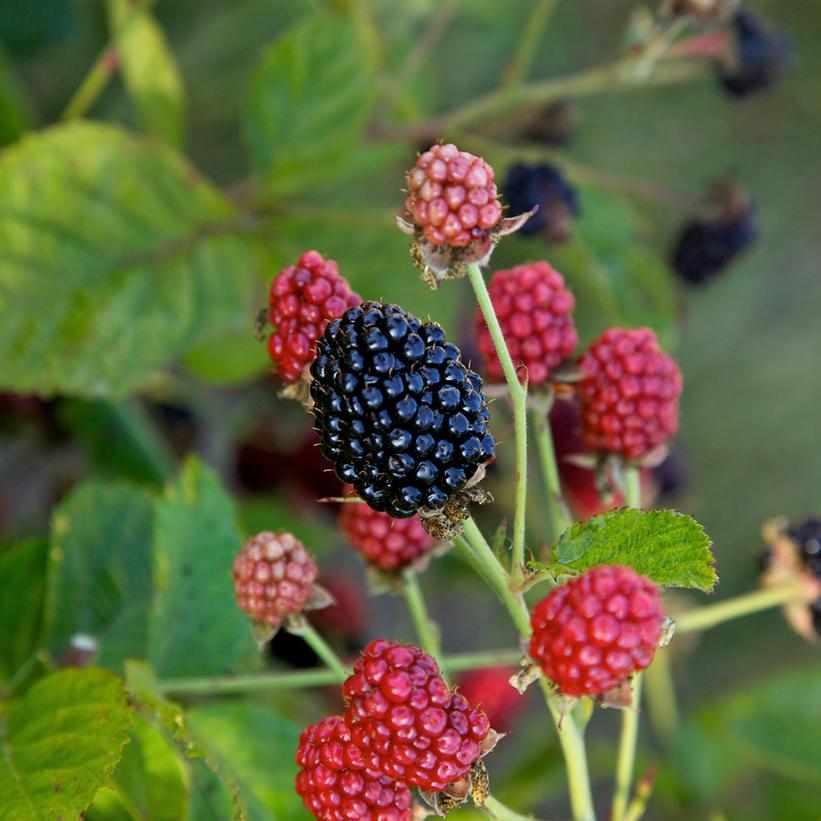
Flat-topped clusters of small creamy white flowers open in late spring and early summer, and by late summer they have become drupes that shift from green through rose to a deep blue-black. That fruit is high in fat and is eaten by cedar waxwings, bluebirds, cardinals, and thrushes, which is why arrowwood shows up so often in habitat plantings. It is also a larval host for the spring azure butterfly and the hummingbird clearwing moth.
The leaves are coarsely toothed, which is what dentatum refers to, and they hold a clean dark green through summer heat. Fall color runs anywhere from clear yellow to wine red to deep purple, and it varies plant to plant, because seedling-grown arrowwood is genetically variable rather than a clone. The common name comes from the young stems, which grow straight and true enough that Indigenous peoples used them for arrow shafts.